TL;DR
- The Breville Die-Cast 4-Slice Smart Toaster wins because each pair of slots has its own browning control — no more compromising on shade.
- The Balmuda The Toaster makes stale bread taste fresh out of a Paris bakery and is worth every dollar if you take bread seriously.
- Cheap 4-slice toasters mostly share one control for all slots, which is the root cause of approximately 90% of toast arguments.
Breville Die-Cast 4-Slice Smart Toaster
Nobody warns you about the toaster conversation before you move in together. One of you wants it barely warm. The other wants it the color of a car tire. One of you cleans the crumb tray. The other believes crumbs are character. We tested seven toasters specifically for how gracefully they handle two adults with completely different opinions about what toast should be.
Show comparison table
| # | Product | Price | Score | Best for |
|---|---|---|---|---|
| 1 | Breville Die-Cast 4-Slice Smart Toaster | $249 | 9.3/10 | Dual-household shade disputes |
| 2 | Balmuda The Toaster | $329 | 9.0/10 | People who care about bread more than people |
| 3 | Cuisinart CPT-740 Touchscreen 4-Slice | $179 | 8.6/10 | Reliable daily driver with modern controls |
| 4 | Smeg TSF02 2-Slice Retro Toaster | $229 | 8.1/10 | Kitchens that are also photo shoots |
| 5 | Revolution InstaGLO R270 | $349 | 8.0/10 | Couples who enjoy touchscreens in the kitchen |
| 6 | Hamilton Beach 24782 4-Slice Sure-Crisp | $49 | 7.6/10 | Four slots without a four-figure bill |
| 7 | Dash Mini Toaster | $29 | 7.0/10 | Tiny kitchens and active ceasefires |
/ 10
Read our take
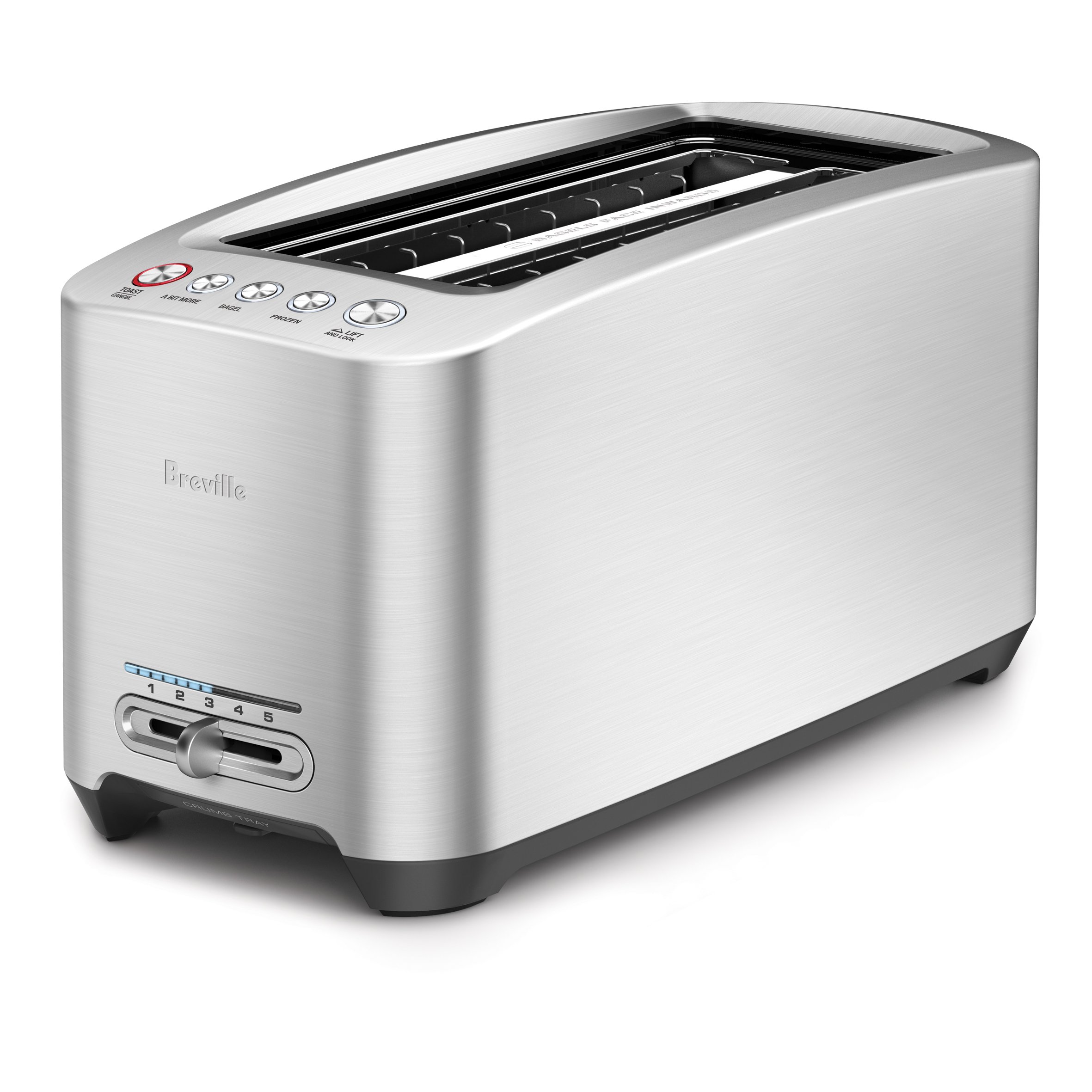
The Breville is the most overengineered toaster we’ve ever tested, which is exactly what a kitchen with two opinions needs. Each pair of slots has its own separate browning dial — one of you gets a 3, the other gets a 6, and nobody has to talk. The “A Bit More” button adds 30 seconds without restarting the cycle, which is genuinely the small-scale marriage-saving feature of the century.
Pros
- Independent browning controls for each pair of slots
- Lift and Look button lets you peek mid-cycle without restarting
- Heavy die-cast housing feels like it will outlast the appliance cycle
Cons
- Big footprint — 11 by 13 inches of counter
- The button layout is overwhelming until you’ve used it for a week
/ 10
Read our take
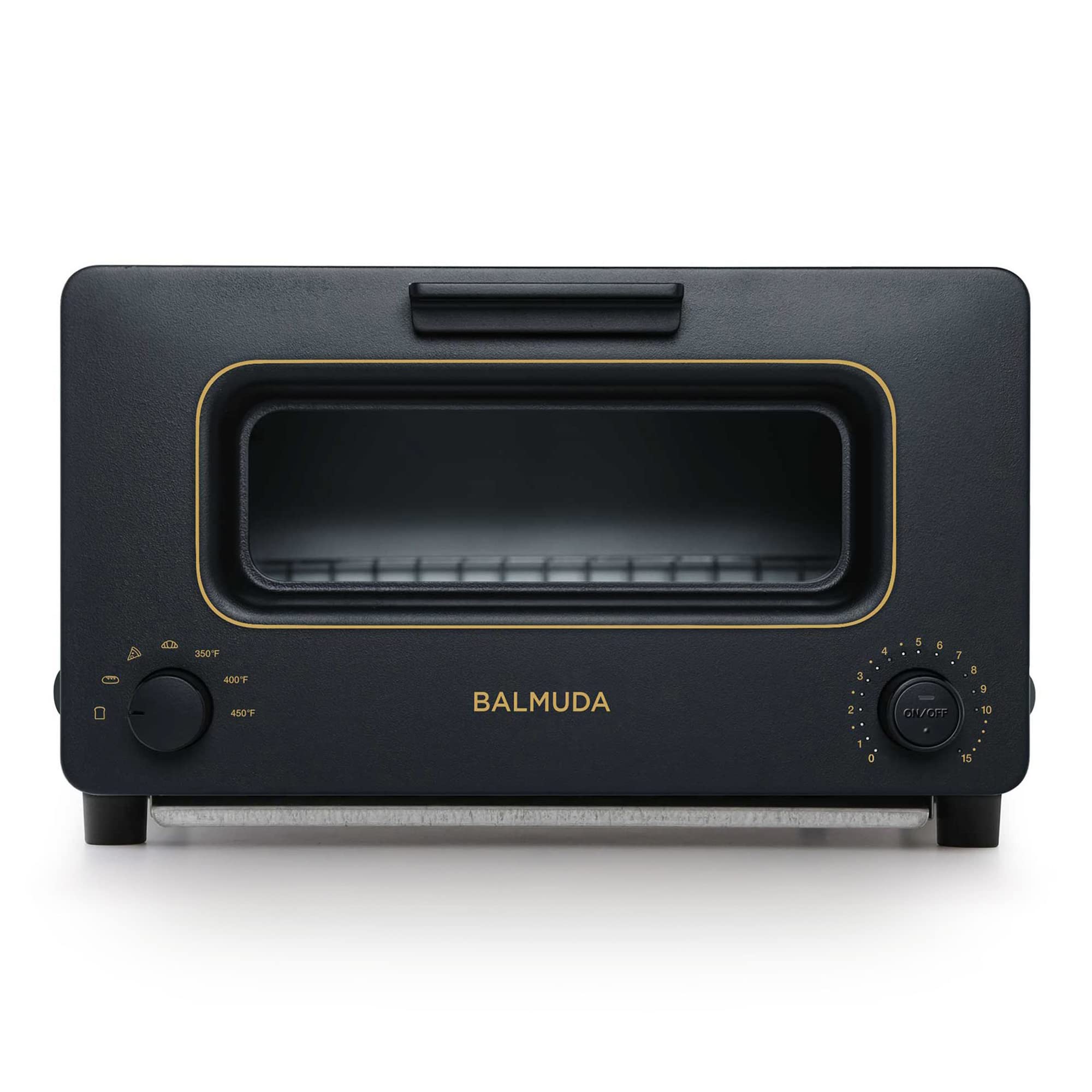
The Balmuda is a Japanese steam toaster that does something nobody else does: you pour a small teaspoon of water into a built-in cup, slide your bread in, and steam revives the crust while the interior stays soft. Day-old grocery-store sourdough came out tasting like it was from a bakery that morning. It only fits two slices, which is actually its secret weapon — you take turns, which forces the kind of minor coordination modern couples desperately need.
Pros
- Steam injection genuinely revives stale bread
- Five preset modes remove decision fatigue (sandwich, pastry, artisan, toast, classic)
- The most beautiful toaster on the counter by a wide margin
Cons
- Only fits two slices, so a full breakfast takes twice as long
- The water tray is one more thing to remember every morning
/ 10
Read our take
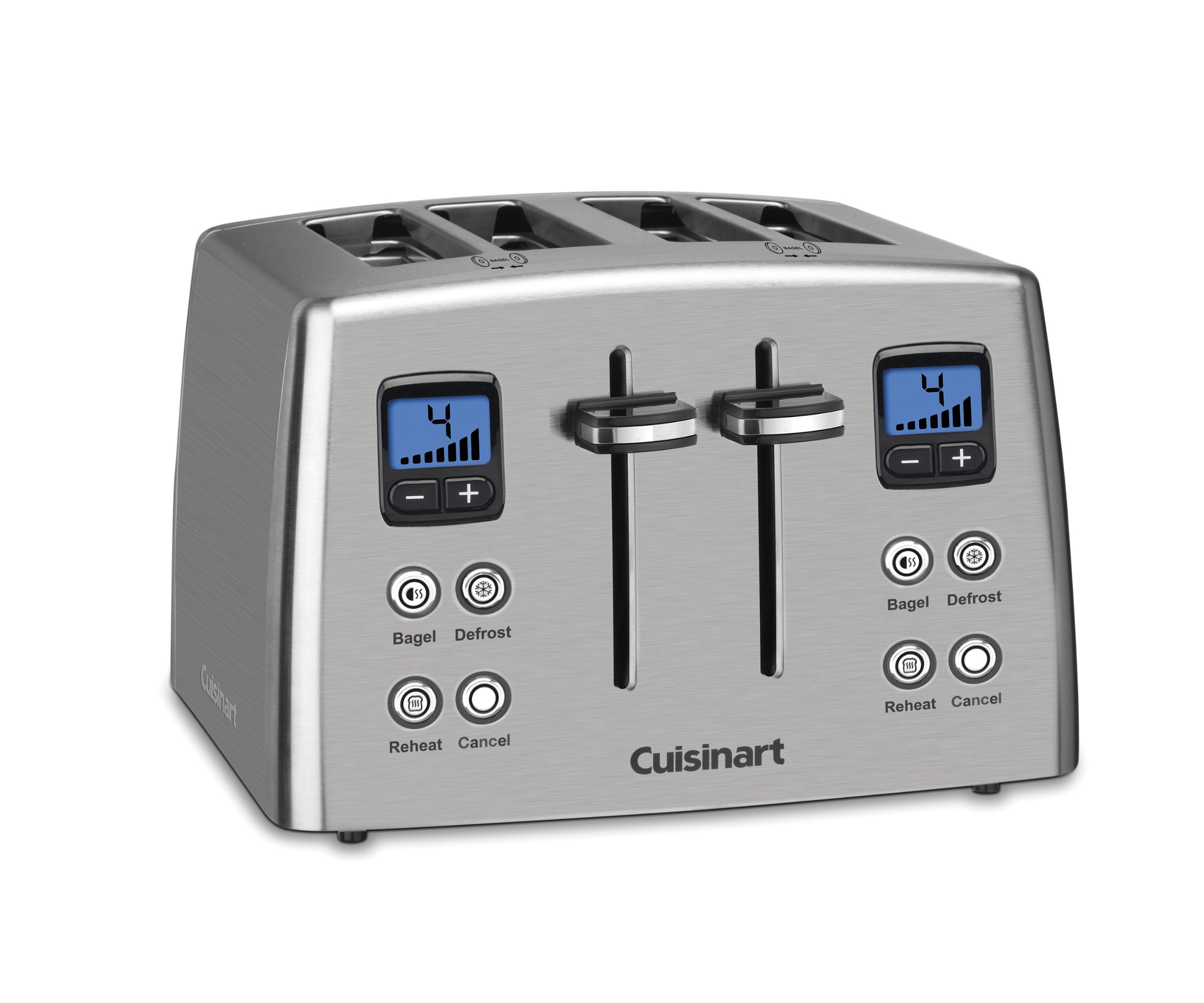
The Cuisinart CPT-740 is the quiet adult choice. It has a crisp digital touchscreen, wide 1.5-inch slots that actually fit a thick bagel, and independent controls for each side. It’s not pretty and it’s not trying to be — it just toasts four slices consistently, every morning, without needing a firmware update.
Pros
- Independent digital controls per side
- Wide 1.5-inch slots handle bagels and artisan bread
- Brushed stainless build holds up to daily family use
Cons
- Browning is consistent but not especially even across all four slots
- Touchscreen collects fingerprints visibly
/ 10
Read our take
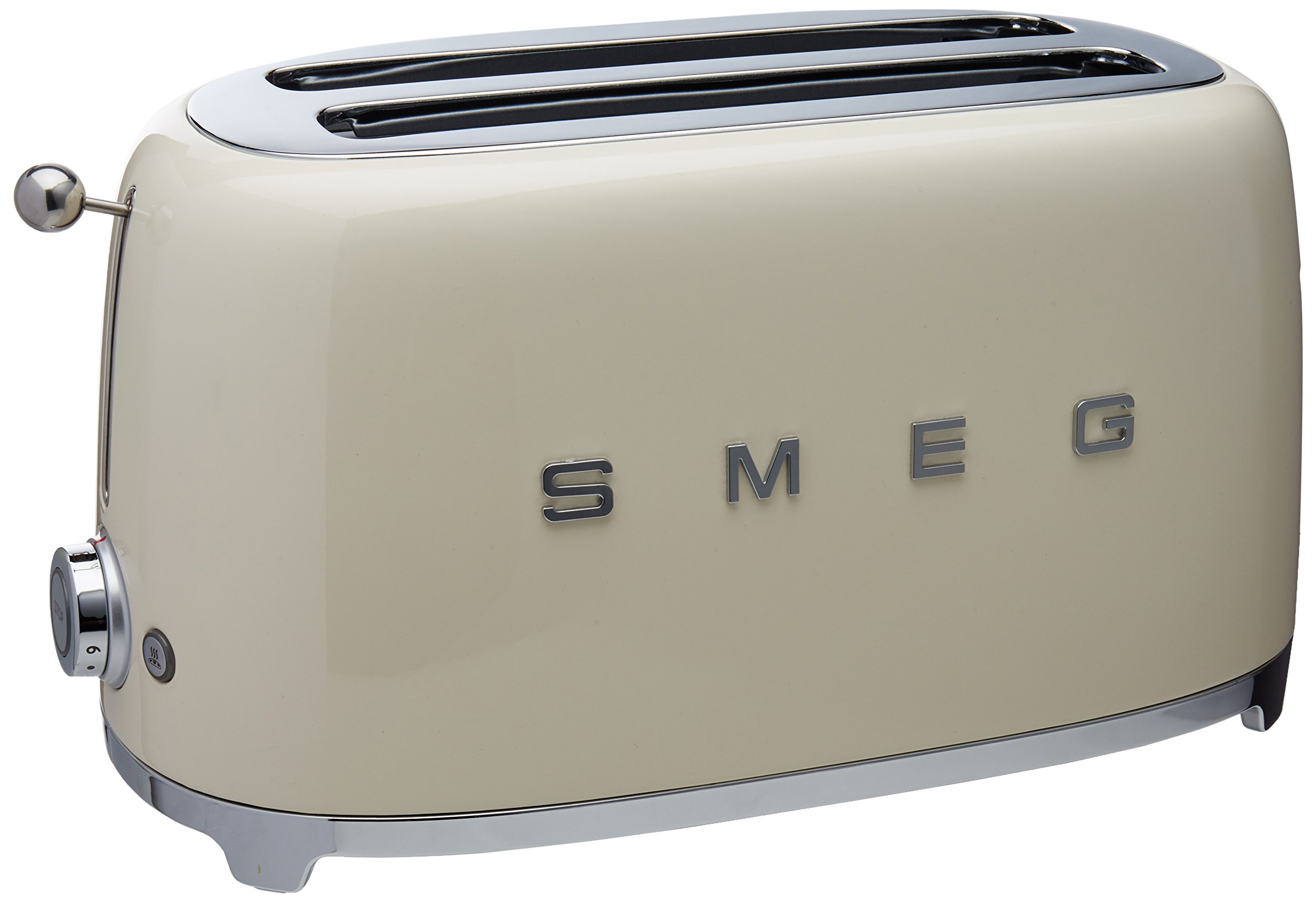
Yes, the Smeg is overpriced for what it does. Yes, you’re mostly paying for the pastel 1950s silhouette. And yes, it absolutely works, and it’ll make your kitchen look like a Wes Anderson set. For some households, peace is achieved when the kitchen looks coordinated, and the TSF02 comes in eleven colors to suit the specific shade of harmony you’re chasing.
Pros
- Genuinely gorgeous in a way toasters almost never are
- Eleven color options to match any kitchen
- Solid chrome lever with satisfying weight
Cons
- Only two slots and one shared browning dial
- You’re paying about $100 extra for the look alone
/ 10
Read our take
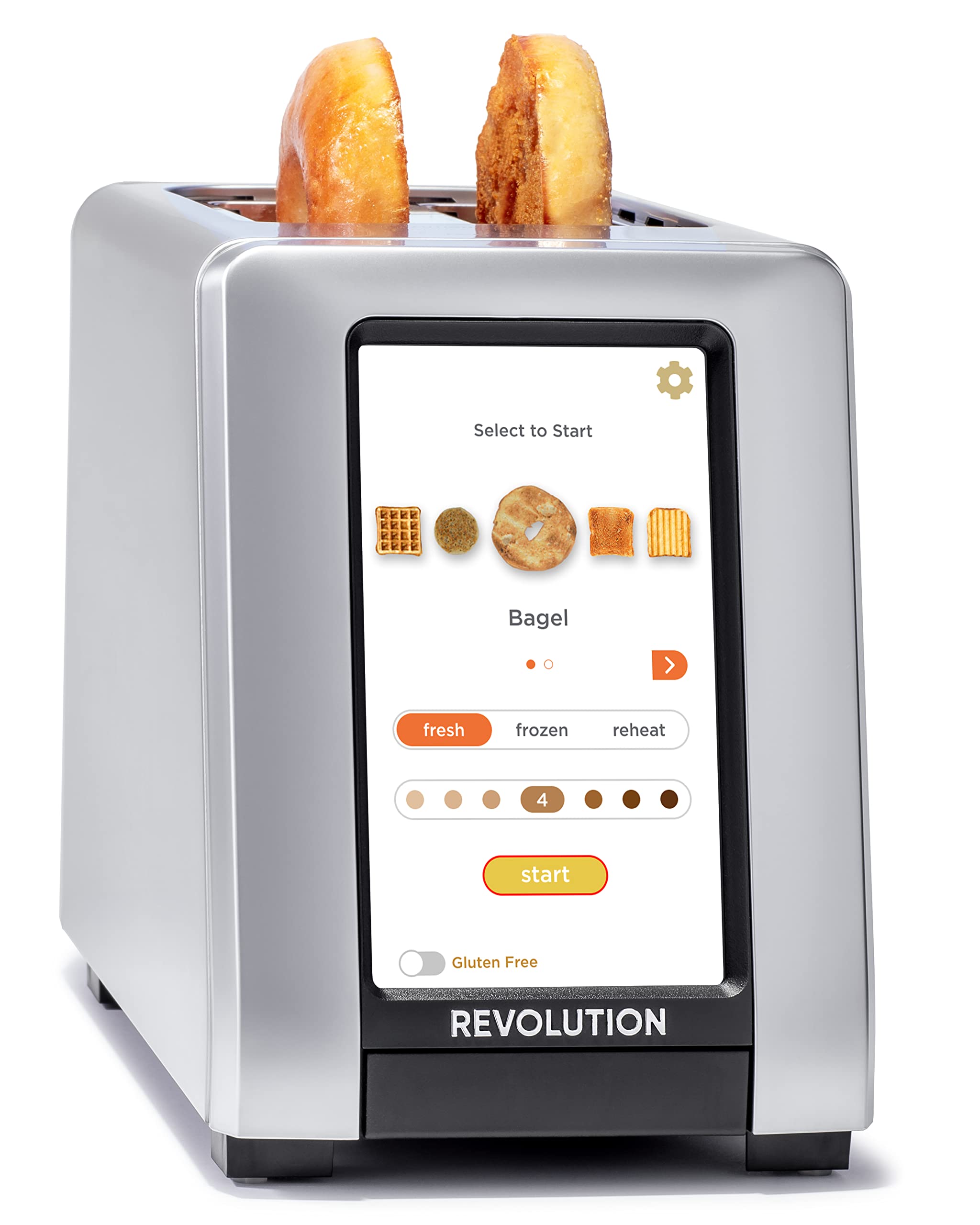
The Revolution has a touchscreen. A full color touchscreen. On a toaster. You tap your bread type — bagel, English muffin, frozen waffle, artisan sourdough — and it adjusts the time and heat automatically. It sounds absurd and then you use it for a week and it’s kind of great. Each user can save a profile with preferred shade, which is a legitimate anti-argument feature.
Pros
- Bread-type presets give consistently excellent results
- Per-user profile saving with individual shade preferences
- High-speed heating elements toast in about 90 seconds
Cons
- Only two slots for a $349 toaster
- One more screen in your life, and one more thing that can brick
/ 10
Read our take
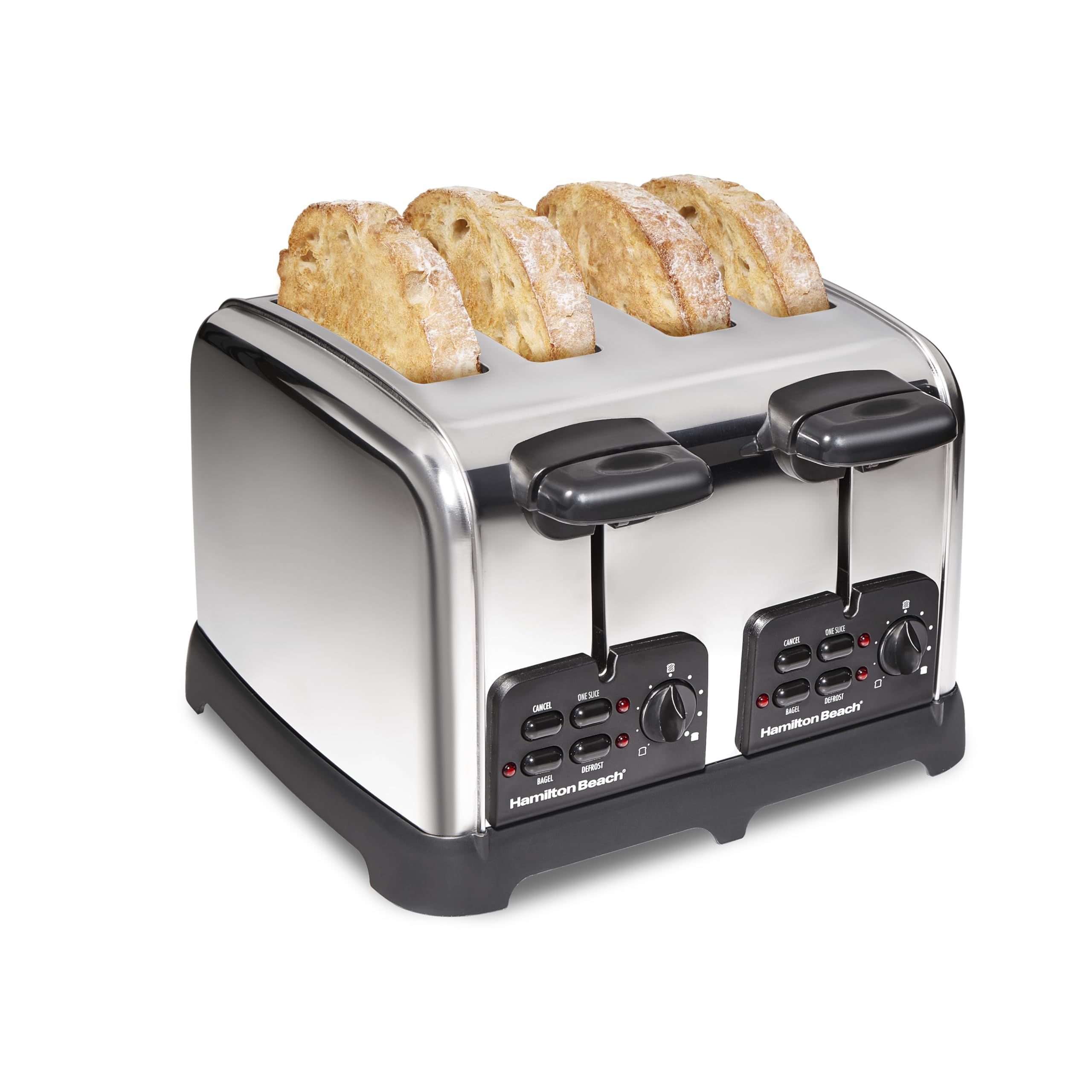
If you want four slots for under $50, this is the honest answer. It’s plasticky, it’s not much to look at, and the browning dial has a slightly optimistic relationship with reality. But it toasts four slices at once, the Keep Warm feature holds finished toast while the slower slot catches up, and it just keeps working for years. The extra-lift lever saves your fingertips on bagel halves.
Pros
- Four slots at a genuinely cheap price
- Keep Warm function is surprisingly useful on slow mornings
- Extra-lift lever prevents the bagel-finger-burn
Cons
- Plastic construction feels every bit of its price
- One shared browning dial across all four slots
/ 10
Read our take
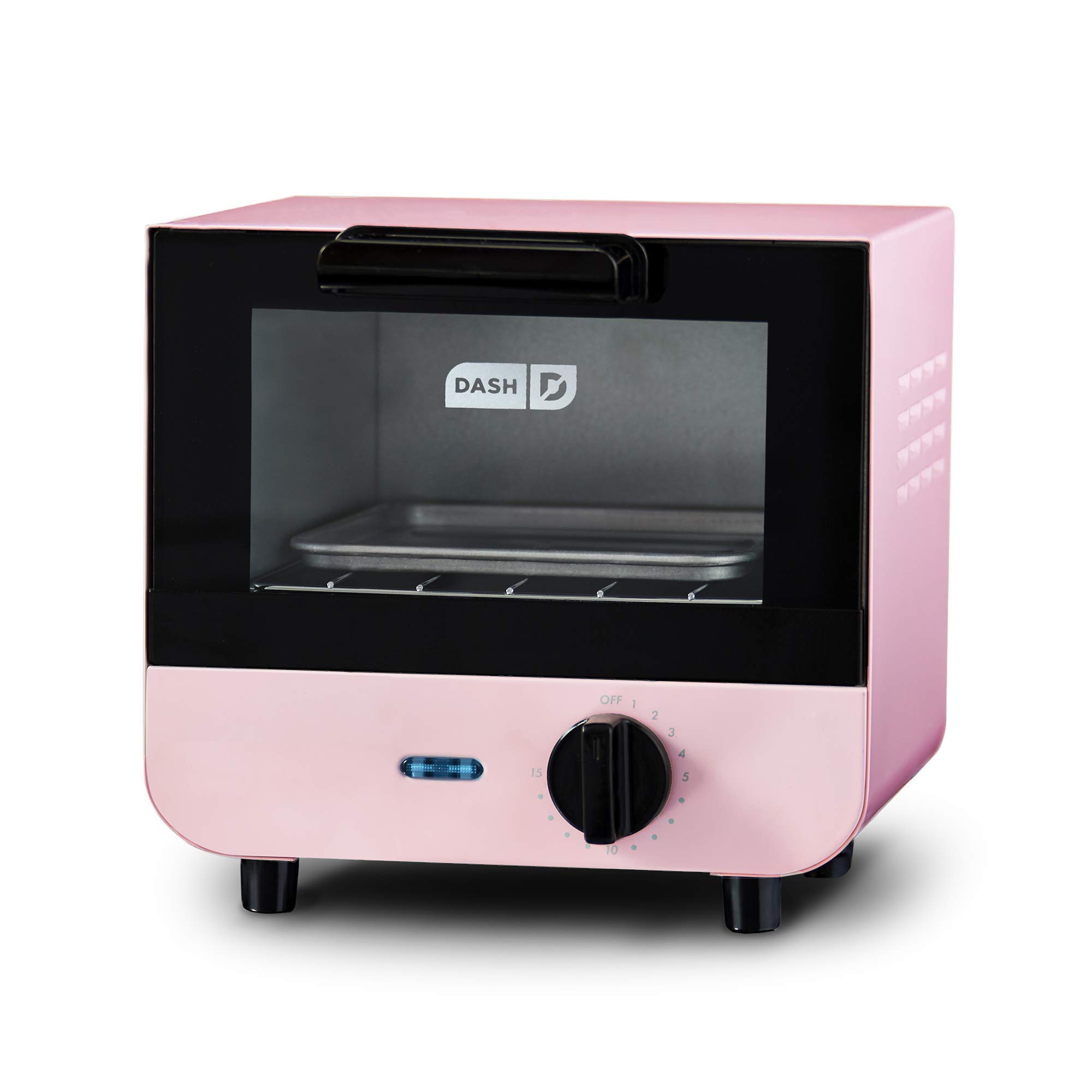
Sometimes the smallest solution is the right one. The Dash Mini is roughly the size of a coffee mug, toasts one slice at a time, and costs less than a decent pizza. It’s the emergency pick for tiny apartments and dorm rooms, or as a second “backup” toaster for households where one person eats at 6am and the other at 10am and they’re not willing to negotiate.
Pros
- Tiny footprint for small kitchens and RVs
- Cheap enough to impulse-buy
- Comes in roughly twenty colors
Cons
- One slice at a time — breakfast for two takes a while
- Build quality is exactly what $29 gets you
The final verdict
The Breville Die-Cast 4-Slice Smart Toaster wins because it solves the actual problem — two humans with different bread preferences can operate it at the same time without having to speak to each other. If you care about bread more than conflict avoidance, the Balmuda is a spiritual experience in a boxy chrome package. And if you just need four slots and competence for under fifty bucks, the Hamilton Beach will quietly do its job for the next six years without complaint.
Questions, honestly.
Why is my toaster so inconsistent?
Most cheap toasters use a simple bimetallic timer that reacts to internal heat, which means “level 4” can mean different things depending on room temperature, whether it was used five minutes ago, and the specific bread. Higher-end toasters like the Breville and Revolution use actual temperature sensors and digital timers, which is why they produce more consistent results. It’s not you. It’s the mechanism.
Do two people really need a 4-slice toaster?
If you both eat toast most mornings, yes. With a 2-slice model you’re running two cycles back to back, which means one of you is eating cold toast while the other waits. A 4-slice toaster (especially one with dual controls) cuts morning breakfast in half and eliminates the “who goes first” negotiation entirely. If you eat toast twice a year, any 2-slice model is fine.
Is a $250 toaster actually worth it over a $40 one?
For daily use, yes. A $250 toaster from Breville or Cuisinart will typically last eight to twelve years with consistent results and independent controls. A $40 toaster will last two to four years with gradually worsening performance. If you use it every morning, the cost per slice works out in the expensive toaster’s favor by year three.
What’s the difference between a toaster and a toaster oven?
A toaster is a dedicated vertical slot appliance that does one thing very well. A toaster oven is a miniature counter oven that can bake, reheat, and toast, but typically does none of those as well as a dedicated appliance does its single job. If you only need toast, get a toaster. If you need to reheat pizza or bake a small tray of cookies, get a toaster oven and accept the trade-off.
How often should I clean the crumb tray?
Once a week, ideally, and more often if you toast buttered bread or bagels with seeds. Crumbs that sit in the tray eventually char and start smelling burnt during future cycles, and in extreme cases they’re a legitimate fire risk. The tray is designed to slide out in about five seconds. Your partner has noticed that you don’t clean it. This is not an accusation.
Can the Balmuda really make stale bread taste fresh?
Yes, and it’s genuinely one of the strangest small-appliance experiences. The steam cup adds moisture that prevents the crust from over-drying while the heating elements warm the interior, which rehydrates the bread’s starch structure. Day-old baguette, three-day-old sourdough, and even slightly stale croissants come out dramatically better than they would from a normal toaster. It will not save moldy or properly stale bread — it’s not magic, just clever physics.
Why do bagels get burned on top but not cooked inside?
Regular toasters apply equal heat to both sides of the slot, which is wrong for bagels. A bagel’s cut side needs more heat than the outside crust. Look for a toaster with a dedicated “bagel” button — it reduces the outer elements and increases the cut-side elements. The Breville, Cuisinart CPT-740, and Revolution all have this and it genuinely works.